
Manual Handling Training for Hospitality and Retail Workers
Free online training and assessment. Pay A$49 for your Certificate of Completion only when you pass.
- 100% online
- Written for shops, supermarkets, kitchens, bars, cafés and hotels
- Complete at your own pace on any device
- Online assessment included
- Instant certificate after successful completion and payment
Content last reviewed September 2026.
100% Online
Complete the training on your phone between shifts, or on a tablet or computer.
Hospitality & Retail Focused
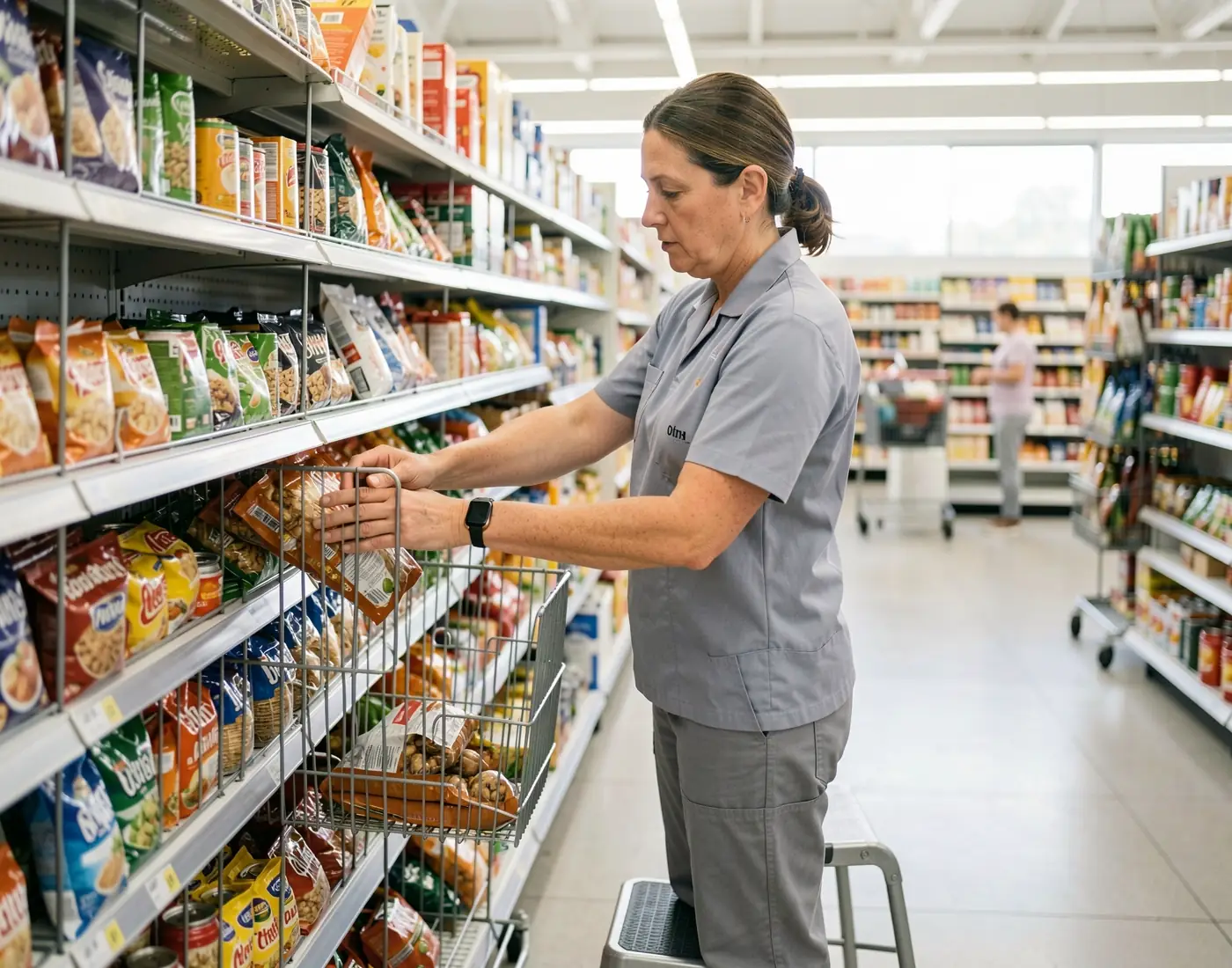
Deliveries, kegs, shelf filling, roll cages, checkouts, kitchens and housekeeping — not generic warehouse examples.
Online Assessment
Demonstrate your understanding through a 20-question final assessment.
Certificate of Completion
Download your certificate after successfully passing and paying A$49.
Who Is This Training For?
This course is designed for people working, or about to start work, in Australian retail and hospitality — supermarkets and shops, bottle shops, cafés and restaurants, pubs and bars, fast food and hotels — including students and casual workers in their first job.
Retail and Supermarket Staff
Shop assistants, shelf fillers, night fill, checkout operators and bottle shop staff.
Stockroom and Back Dock
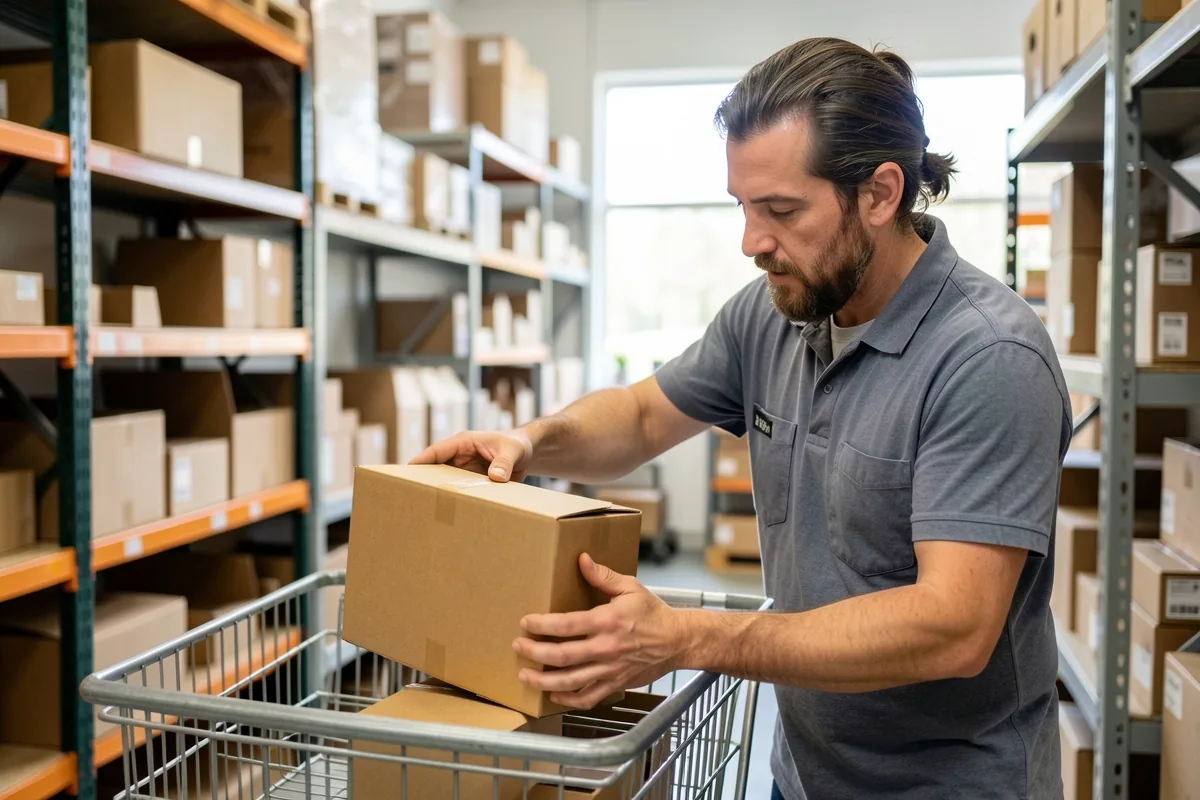
Receiving deliveries, breaking down pallets, roll cages and trolley collection.
Kitchen Staff
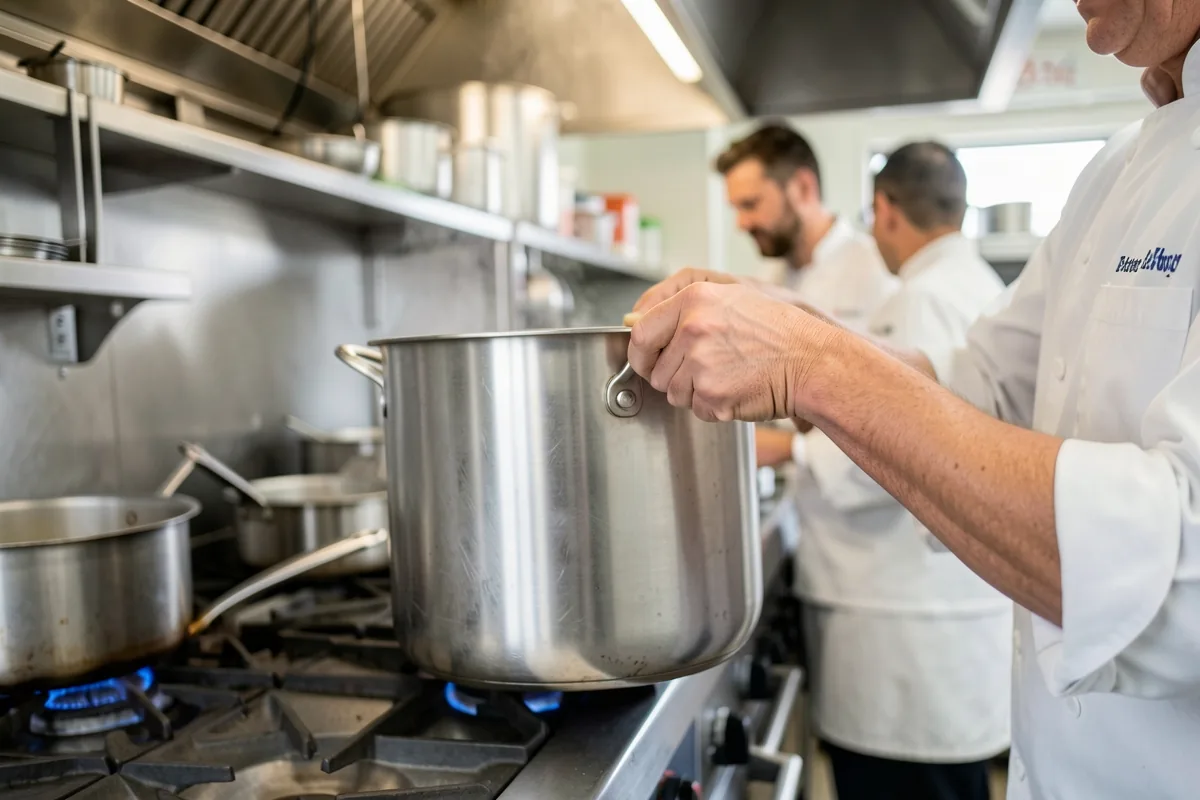
Kitchen hands, cooks and chefs handling stock pots, fryer oil, hotel pans and racks.
Front of House
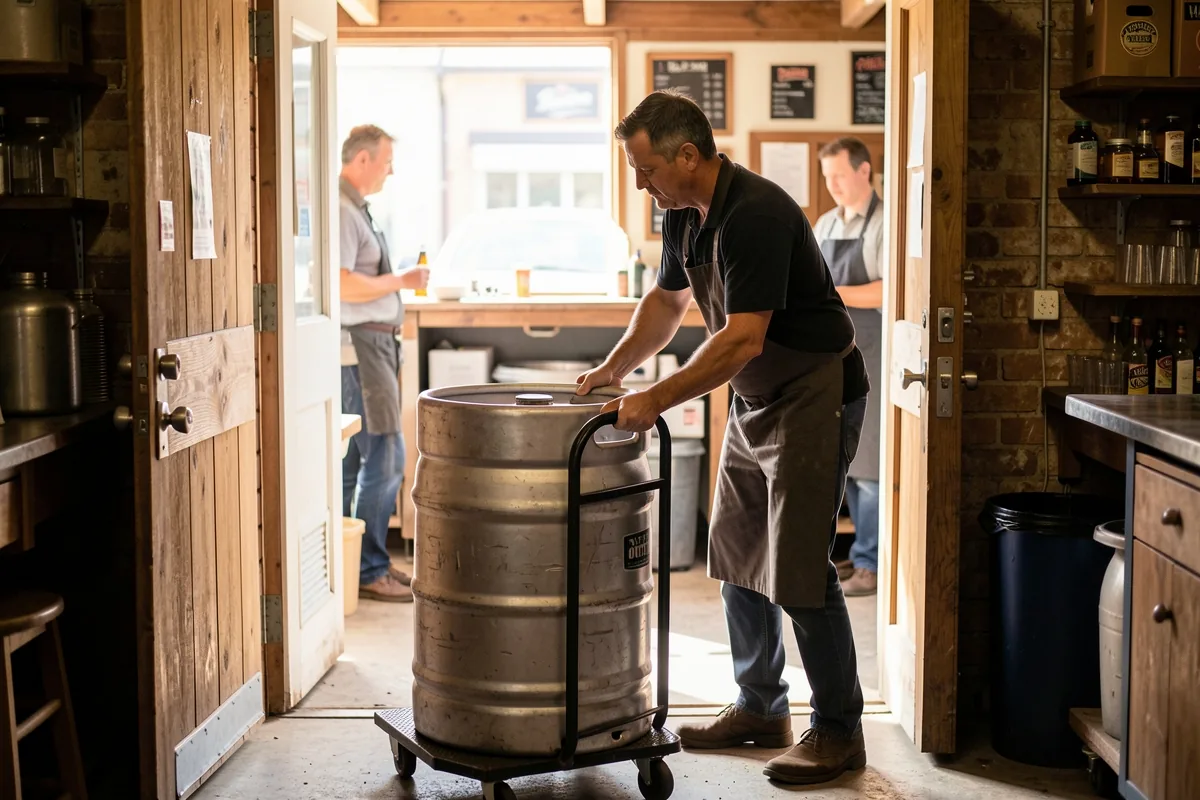
Wait staff, baristas, bar and cellar staff moving plates, trays, crates and kegs.
Hotel and Accommodation
Housekeeping, porters and room attendants making beds and moving linen and trolleys.
Students and Casuals
First-job, part-time and labour hire workers who are owed the same training as anyone else.
This training supports safe work knowledge. It does not guarantee employment.
Why Manual Handling Matters in Hospitality and Retail
Retail and hospitality workers lift, carry, push, reach and stand for most of every shift. Individually a carton, a crate or a tray is small. Repeated across a delivery, a Friday night service, a Christmas roster and a working life, poorly controlled hazardous manual tasks are the leading cause of serious injury in both industries — and young and casual workers carry a large share of them.
- Receiving and unpacking deliveries
- Moving kegs, crates and sacks
- Filling shelves high and low
- Pushing roll cages and trolleys
- Scanning and bagging at checkouts
- Collecting trolleys in car parks
- Lifting stock pots, pans and fryer oil
- Carrying plates and trays
- Emptying bins and grease traps
- Making beds and moving linen
- Standing for a whole shift
- Rushing through peak periods
Safe manual handling is more than “lift with your legs”
Technique alone does not make a keg lighter or a bottom shelf higher. Managing hazardous manual tasks means working through a risk management process — layout, equipment, timing and staffing — before force is ever applied.
- 1Identifying hazardous tasks
- 2Assessing the load and the task
- 3Considering the environment and timing
- 4Using the right equipment
- 5Working in pairs when required
- 6Following workplace procedures
- 7Slowing down at peak
- 8Reporting hazards and early symptoms
Four Simple Steps
Learn first, pay last. You can complete the entire training and assessment before making any payment.

Complete the Training
Work through the online modules at your own pace, on any device.
Pass the Assessment
Complete the online multiple-choice assessment. Required score 75%. Unlimited attempts, and a retry only asks about the questions you got wrong.
Enter Your Details and Pay A$49
After passing, enter the information that will appear on your certificate and proceed to secure payment.
Get Your Certificate
After successful payment, access your Certificate of Completion.
Eight Focused Learning Modules
Estimated course duration: approximately 45–60 minutes.
- Module 1
Introduction to Manual Handling in Hospitality and Retail
6–8 minutes
- Module 2
Australian Work Health and Safety Principles
6–8 minutes
- Module 3
Identifying Hazardous Manual Tasks
6–8 minutes
- Module 4
Risk Assessment and the Hierarchy of Controls
6–8 minutes
- Module 5
Safe Movement Principles
6–8 minutes
- Module 6
Stock, Deliveries and Service Work
8–10 minutes
- Module 7
Equipment, Aids and Tools
6–8 minutes
- Module 8
Reporting, Incidents and Ongoing Safety
6–8 minutes

Ready to Take the Assessment?
Complete the training first, then take the online assessment. Pass with 75% or higher to unlock your certificate for A$49.
Unlimited attempts. No subscription. No hidden fees.
Hospitality & Retail Manual Handling FAQ
Yes. Module 6 covers receiving deliveries, breaking down pallets, cartons, crates of bottles, sacks of flour and rice, cases of milk, and kegs — including why a keg is never lifted by hand, keg trolleys and lifters, two-person handling and cellar ramps. Module 7 covers the equipment and pre-use checks.
It is theory training. Your venue still needs to show you its own cellar procedure, trolley and equipment.
Yes. It assumes no prior training and is written for people starting out in a supermarket, café, bar, fast food outlet or hotel. It also explains that casual, part-time and young workers are owed exactly the same induction, equipment and protection as permanent staff.
Many people take it while applying for their first retail or hospitality job to show they understand safe manual handling principles.
No. It is evidence that you have completed manual handling theory. Your employer must still induct you into their workplace — their layout, deliveries, equipment, procedures and who to report to — and supervise you while you learn the tasks.
Many employers use a certificate like this as the theory component and then complete the practical, workplace-specific part themselves.
Both. The examples run across supermarkets, bottle shops, stockrooms, checkouts and car parks as well as commercial kitchens, bars and cellars, dining rooms and hotel housekeeping. The risk factors and controls are the same; the equipment and scenarios change, and the course covers each setting.
Yes. The franchisee operating the store or restaurant is the business (PCBU) responsible for its workers' safety, and the franchisor may also hold duties where it controls layout, equipment or procedures. Module 2 explains how the duties overlap and what to do when a franchise manual and a local instruction conflict.
Most learners allow approximately 45–60 minutes across the eight modules. The training and assessment are free to complete; you pay A$49 only if you pass and want the certificate.
75% on the 20-question assessment. Attempts are unlimited, and a retry only asks you to revisit the questions you got wrong.
Many employers accept it as evidence of manual handling theory knowledge alongside their own induction and practical training. Individual businesses set their own requirements, so check with yours if you are unsure.
Every certificate has a unique number that an employer can verify online or by scanning the QR code.
No. Workplace-specific practical training on your equipment — keg trolleys, pallet jacks, ladders, trolley pushers — and supervision remain essential. This course gives you the theory those sessions build on.
No. This is non-accredited online workplace training and issues a Certificate of Completion. It is separate from the nationally recognised HLTWHS005 Conduct manual tasks safely unit and does not provide a Statement of Attainment.
General questions about pricing, verification and accreditation status are answered on the site-wide FAQ.
Related manual handling courses
- Manual Handling Training for Warehouse and Logistics WorkersDistribution centres, freight and delivery: picking and packing, palletising, pallet jacks and trolleys, loading docks and repetitive lifting.
- Manual Handling Training for Cleaning and Facilities StaffCommercial cleaning, housekeeping and maintenance: carts and bins, mopping and vacuuming, bed-making, chemicals and equipment, repetitive reaching.
- Manual Handling Training for Office and General Workplace StaffOffices and general workplaces: workstation setup, boxes and archive files, deliveries and stationery, events and the occasional heavy lift nobody planned for.
Hospitality & Retail Manual Handling Questions, Answered
Ready to Get Started?
Complete your hospitality & retail manual handling training online at your own pace.
A$49 certificate after successful assessment.